
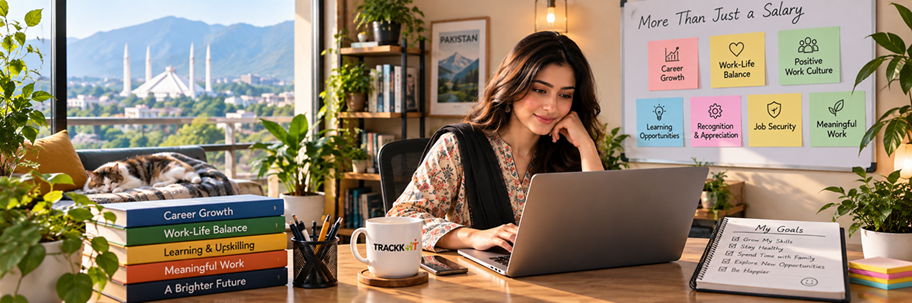
For many years, salary was considered the main factor that attracted and retained employees. While compensation is still important, the workplace expectations of employees have changed significantly.
In 2026, Pakistani employees are looking for more than just a monthly paycheck. They want meaningful work, career growth, flexibility, recognition, and a workplace where they feel valued.
Companies that focus only on increasing salaries may attract talent temporarily, but organizations that invest in employee experience are more likely to build loyal, motivated, and productive teams.
Understanding what employees truly want helps businesses create better workplaces and improve long-term retention.
The Workplace Has Changed
The modern workforce is experiencing a major shift. Employees today have more awareness about workplace culture, career opportunities, and personal growth.
Earlier, many employees stayed with companies mainly because of job security and salary packages. Today, employees also evaluate:
What employees evaluate today:
- How the company treats its people
- Opportunities for learning and growth
- Work-life balance
- Recognition and appreciation
- Workplace environment
Organizations that understand these changing expectations can create stronger connections with their employees.
Competitive Salary Is Still Important
Although employees want more than money, salary remains one of the most important factors when choosing or staying with an organization.
Employees expect fair compensation that reflects:
What fair compensation should reflect:
- Their skills and experience
- Market standards
- Job responsibilities
- Performance contributions
A transparent salary structure helps employees feel respected and appreciated. However, companies are realizing that salary alone is not enough to create long-term engagement. Employees want to feel that they are building a career, not just completing a job.
Career Growth and Learning Opportunities
One of the biggest priorities for employees in 2026 is career development. Employees want organizations that help them improve their skills and prepare for future opportunities. They value:
What employees value for career growth:
- Professional training
- Mentorship programs
- Skill development opportunities
- Clear career paths
- Internal promotion opportunities
When employees see a future within an organization, they are more likely to stay and contribute at a higher level. Companies that invest in employee development create a stronger and more capable workforce.
Recognition and Appreciation Matter
Employees want to know that their efforts are noticed. A workplace where employees receive regular appreciation creates higher motivation and engagement. Recognition does not always need to be financial. Simple actions such as:
Simple actions that build recognition:
- Appreciating good performance
- Celebrating achievements
- Providing positive feedback
- Recognizing employee contributions
can have a significant impact on employee satisfaction. People perform better when they feel their work has value.
People rarely quit jobs that make them feel seen — they quit the ones that don't.
Better Work-Life Balance
Work-life balance has become a major expectation among employees. Employees want workplaces that respect their personal time while allowing them to perform effectively.
Companies can support better balance through:
How companies can support better balance:
- Flexible working options
- Reasonable workloads
- Understanding management practices
- Proper leave policies
A healthy balance reduces burnout and helps employees remain productive over the long term.
Flexible Work Options
The rise of remote and hybrid work has changed how employees view workplace flexibility. Many professionals now prefer organizations that provide options based on job requirements rather than forcing traditional working models.
Flexible work arrangements can help employees:
How flexible work arrangements help employees:
- Save commuting time
- Improve productivity
- Manage personal responsibilities
- Maintain better focus
Companies that offer flexibility often have an advantage when attracting skilled professionals.
A Positive Workplace Culture
Employees want to work in environments where they feel respected and supported. A strong workplace culture includes:
What a strong workplace culture includes:
- Open communication
- Trust between employees and managers
- Respectful teamwork
- Equal opportunities
- A safe working environment
A company's culture directly affects employee satisfaction and retention.
Even a competitive salary package cannot compensate for a negative workplace experience.
Meaningful Work and Purpose
Employees increasingly want to understand how their work contributes to the organization's success. People feel more motivated when they know:
What makes employees feel more motivated:
- Why their work matters
- How their efforts create impact
- How they contribute to company goals
Organizations that communicate their vision clearly help employees feel more connected to their roles.
Better Benefits and Employee Support
Beyond salary, employees value benefits that improve their overall quality of life. Important benefits include:
Important benefits employees value:
- Health insurance
- Provident fund
- EOBI support
- Performance bonuses
- Learning opportunities
- Wellness initiatives
A complete employee benefits package shows that the company cares about employees beyond their daily tasks.
Strong Leadership and Communication
Employees do not leave companies only because of jobs; many leave because of poor management experiences. Good leadership creates trust and encourages employees to perform better.
Employees appreciate managers who:
What employees appreciate in managers:
- Listen to their concerns
- Provide regular feedback
- Support career growth
- Communicate clearly
Strong leadership plays a key role in creating a positive employee experience.
How HR Technology Helps Improve Employee Experience
Managing employee expectations becomes easier when companies use modern HR technology. HR systems help organizations:
What HR systems help organizations do:
- Track employee performance
- Manage payroll and benefits
- Provide self-service options
- Improve communication
- Maintain employee records
- Support career development
Platforms like Trackk HRMS help businesses create a better employee experience by simplifying HR processes and giving employees easier access to important information.
Technology allows HR teams to focus less on administrative work and more on building stronger relationships with employees.
Final Thoughts
In 2026, employees in Pakistan are looking for more than just a salary. They want workplaces where they can grow, feel respected, and build a meaningful career.
Companies that focus on employee experience, career development, flexibility, recognition, and workplace culture will have a stronger advantage in attracting and retaining talent.
The future of work isn't about paying people more — it's about giving them a reason to stay.